Europe is one of those destinations where you could easily spend $400 a night on a standard hotel room, or throw down $20 for a burger, and there's no doubt that the expensive reputation of some European cities can be intimidating for first time visitors. It's not always the cheapest getaway.
Yet Europe is one of the most iconic backpacking destinations in the world and continues to welcome millions of budget travelers touring the continent with very little cash to spend.
These travelers know that even the most expensive cities have room to economize, and that if you're willing to sacrifice a little comfort and convenience, Europe doesn't have to break the bank.
You can hover over these (or any image) to quickly pin it! Consider Cheaper CitiesOne of your big options in Europe is where to go; some countries are considerably cheaper than others, especially if you look at places which aren't big tourist hubs. Greece and Turkey, for example, are far less expensive than destinations like Italy or France. Eastern Europe tends to offer far greater value for money than countries in the West.
And don't fall into the trap of over packing your itinerary with too many destinations. It's highly tempting – traveling between countries in Europe is so easy. But the faster you travel the more expensive it gets. Jamming too many destinations into your trip means more transport costs which is usually a traveler's biggest expense.
That said, play around with your searches when booking, and consider if it will be cheaper to fly or train into a nearby city instead of your actual destination. You may be able to stop off in two cities for less than the cost of traveling to one. For instance, an airfare from London to Greece might be $1200. However an airfare to Istanbul might be $600, and then $150 to get from Istanbul to Greece. Also consider traveling to/from less mainstream airports – this can often save quite a lot.
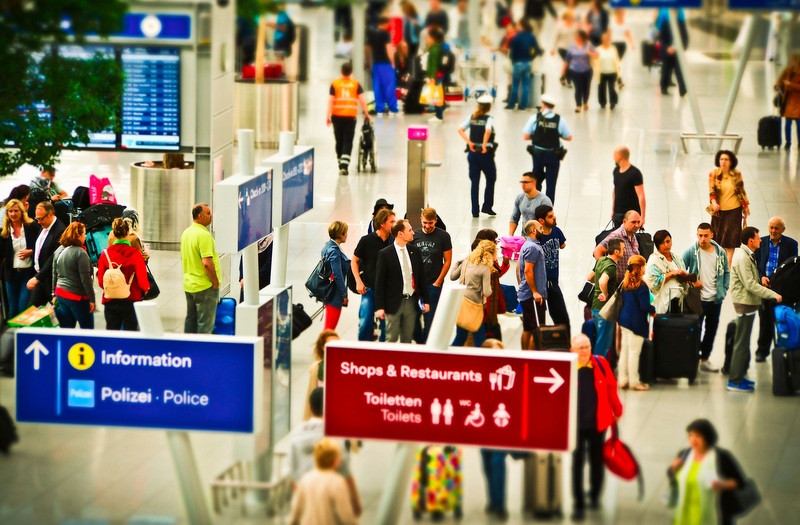
Be aware of high seasons, low seasons, and shoulder seasons when planning and booking your Europe trip. This will have a great impact on the price of everything from transport, to accommodation, activities and food.
High season runs from June – August, and while you have the advantages of nice weather, longer days, and music festivals, keep in mind that this season sees huge crowds and inflated prices.
Low season is November – April. Pros include no crowds, low prices, and a huge range of winter sports, though keep in mind that your days will be shorter, the likelihood of bad weather, and reduced hours of attractions.
Shoulder season is April – June and September – November and in our opinion the best of both worlds. You have generally nice weather, relatively few tourists, lower prices, and many parks and gardens will either be in bloom during spring, or in full color during autumn / fall. The majority of attractions are open, however some may maintain winter hours. And plan for inconsistent weather during this time.

The slowest forms of transport are usually the cheapest, and in Europe, hitchhiking is a common way to find a free ride. There are also ride share websites where someone is already planning a trip, and you can buy the free seats in their car. But if your mother warned you off jumping into cars with strangers, you can use a search engine like GoEuro to find the cheapest fares on buses, trains and flights.
Flying means you can travel almost anywhere within Europe within 1-3 hours starting from $10. However no frills airlines like Easyjet and Ryanair are very strict about carry-on and checked luggage weight / size, and charge hefty excess fees if you're even the slightest bit over.
Buses are a cost effective way to travel throughout Europe, however train travel is more comfortable and prompt, and usually a much cheaper alternative to flights. Trains connect every major European city, and most countries have a national service which links you to destinations domestically.
GoEuro is one of the best comparison websites for cheap transport as it displays all transportation options for getting from Place A to Place B. Search results display how much each option will cost, and how long each journey will take. This is particularly useful for those who want to weigh up the convenience of a flight over the cost of the ticket for a bus or train.

The best way to save on accommodation in Europe is to avoid hotels. Between the lively atmosphere of a backpackers or a youth hostel, renting from locals, or utilizing the sharing economy, there are many cheap, safe and more entertaining options for accommodation over that of a hotel.
Backpackers / HostelThe traditional alternative to a hotel is a backpackers or youth hostel. In terms of standard, Europe has some of the highest quality youth hostels in the world, and you can always find one in a central location.
It generally costs around €20-29 per night for a bed in a shared dorm depending on which city you're in, though many hostels also provide private rooms. Extras will vary, though usually internet, breakfast and free walking / pub crawls are included (check if you have to pay extra for lockers or linen).
Renting a Local ApartmentHostels charge per person, per night, so if traveling with friends sometimes it can be cheaper to rent an apartment or room privately.
This will offer much more space, though keep in mind if you're renting a house or apartment privately not to expect services like 24 hour reception which you would find at a hostel. Airbnb.com is a great resource which also lists couches and shared rooms too.
Sharing EconomyIf you're looking to meet new people and immerse yourself in local life, utilize the sharing economy to stay on someone's couch for free. "Couch surfing" is a very popular way to book accommodation in Europe, so it can be difficult to find a place.
On many occasions, your host will take their time to show you around the city and hang out with you. This is accepted as generally quite safe; the couch surfing community has grown to become mainstream, and common sense, website reviews from previous travelers and communication helps to "screen" your prospective host.
Pro Tip: Don't sacrifice location for small savings on accommodation. If you're trying to decide between different accommodations, we recommend giving preference to a more central location.
Budget travelers have a tendency to fall into the trap of choosing a hotel in a far-flung location that's €5 cheaper than one in a more central neighborhood. But you'll spend more than what you saved on transportation, especially if you're so far out that you have to take a taxi.
Activities on a BudgetEuropean cities offer many free sights and attractions, and one of the best ways to sightsee on a budget it to take in a walking tour. Europe excels at being pedestrian friendly, and seeing a city's top landmarks is free! Among the most walkable cities are Florence, Paris, London, Berlin, and Dubrovnik.
It's usually pretty easy to catch a free walking tour in major cities; students and freelancers offer tours with no upfront cost (though expect a tip). Tour options will often be advertised on hostel bulletin boards, though for those who don't like group tours, it's just as easy to search Google and download a free walking map for a self guided tour.
Many parks, cathedrals, and top museums are also free. And European tourist offices will usually offer discount passes for public transport and sightseeing. Also check out sites like Groupon or Living Social – we use these within our home cities, but most people overlook using it on their travels. Change your local area and find huge discounts on activities.

The best way to eating on a budget it to eat like a local. If you want to save money on food, hit up local grocery stores and markets for sandwich fixings and picnic across Europe rather than eating out in restaurants.
Eating in restaurants for breakfast, lunch and dinner can break your budget quickly, and underestimating food costs can greatly increase the overall spend of your trip.
If you do choose eat in restaurants, avoid those which are closest to main tourist attractions and look for those frequented by locals. The cost will always be lower, and you'll find the cuisine will often be more authentic. Also note that in some parts of Europe you're charged extra to sit at a table.
Breakfast across Europe is usually free with the price of a hotel or hostel room. For the super savvy traveler, packing a few Ziploc bags to save fruit and other snacks from the breakfast buffet can often see you through the day.
OUR FAVORITE EUROPE TRAVEL GUIDES: CLICK TO LOOK INSIDE↓
SPREAD THE WORD! PIN THIS TO YOUR TRAVEL PINTEREST BOARDS ↓
If You Liked This Post You May Also Like:Megan is an Australian Journalist and award-winning travel writer who has been blogging since 2007. Her husband Mike is the American naturalist and wildlife photographer behind Waking Up Wild; a website dedicated to opening your eyes to the wild & natural world.
Committed to bringing you the best in adventure travel from all around the globe, there is no mountain too high, and no fete too extreme! They haven't been everywhere, but it's on their list.
Follow their journey on Facebook, Twitter, YouTube, Pinterest and Instagram.
Photo credits: Ski resort CC by SkiStar photographer Ola Matsson. – http://www.skistar.com/. Stazione Centrale di Milano by Lorenzoclick. Hostel photos by Barnacles Budget Accom.
Source: How to Plan a Budget Trip to Europe

No comments:
Post a Comment